12 Signs You Need a New Asphalt Surface, Tips From a Local Contactor
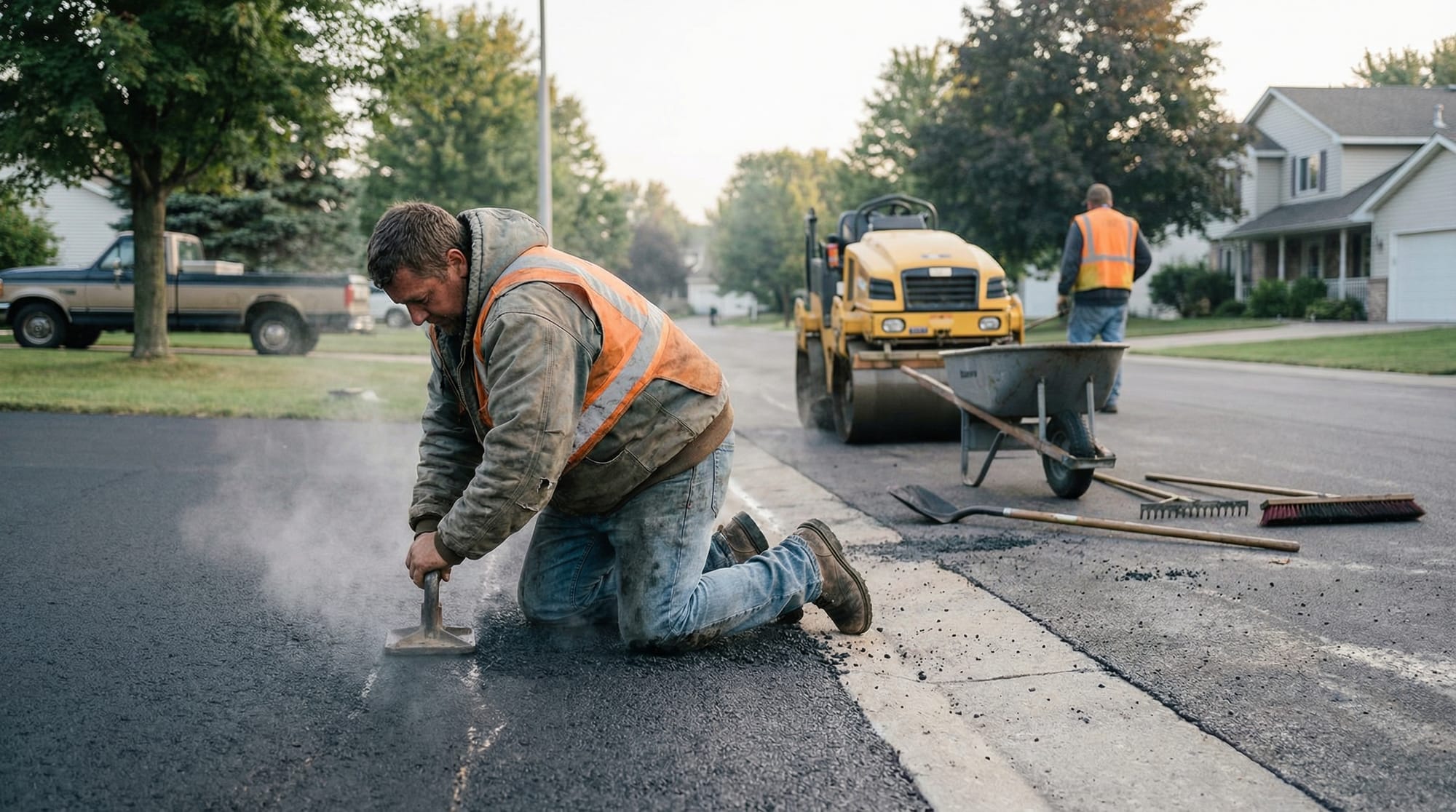
Paving is one of those property investments that looks simple on the surface, but it is always working underneath. Asphalt expands and contracts with temperature swings, moves with the base, sheds water when it is graded correctly, and takes constant wear from tires, snowplows, salt, and sunlight. When it is healthy, you barely think about it. When it starts failing, the problems grow quickly, and repairs that could have been small become expensive replacement projects.
This guide is written from the perspective of a local asphalt paving contractor serving Canandaigua, New York and the surrounding area. If you own a driveway, a private road, or a commercial parking lot, the signs below can help you decide whether you need a new asphalt surface, or whether a repair, patch, or overlay can still restore performance. Each sign includes what it means, why it happens, what to do next, and practical tips for extending the life of the next surface.
Important note: every site is different. Drainage, soil conditions, traffic loads, and the age of the pavement matter. A quick on site assessment can often determine whether you need a full replacement, a new surface course, or targeted repairs.
12 Signs You Need a New Asphalt Surface, Tips From a Local Contractor
- 1) Widespread alligator cracking, not just a few hairline cracks
Alligator cracking is the classic pavement failure pattern that looks like a web or reptile skin. You typically see interconnected cracks forming small blocks. A few random cracks are normal as asphalt ages. Alligator cracking is different, it indicates that the pavement structure is failing under load.
Why it happens: Most often, the base underneath has weakened. Water intrusion, poor compaction, thin pavement thickness, and repeated traffic loads can cause the asphalt to flex beyond what it can handle. In residential driveways, it can show up in areas where vehicles turn, park, or where delivery trucks occasionally travel. In commercial lots, it often appears in drive lanes, trash enclosures, loading zones, and entrances.
What it means: Crack sealing alone will not solve it. Sealing is effective when the surface is still structurally sound. With alligator cracking, the underlying support is compromised. If you patch a few spots and seal over top, it may look improved for a season, but the failure pattern usually returns.
What to do: A contractor should evaluate how deep the failure goes. If it is isolated to certain areas, full depth patching may work. If it is widespread, you usually need a new asphalt surface, and sometimes base repair or full reconstruction.
Local contractor tip: Mark the areas after a rain. If the alligator cracked areas stay wet longer than surrounding pavement, that is a clue that water is getting trapped and the base is saturated. Drainage and edge support become part of the solution, not just new asphalt.
- 2) Potholes that keep returning after patching
Potholes form when water enters through cracks, weakens the base, and traffic breaks the asphalt apart. Cold winters and freeze thaw cycles accelerate the process. A good patch can restore a section of pavement, but if potholes keep coming back in the same zones, the issue is usually deeper than the surface.
Why it happens: Repeating potholes often point to base saturation, poor drainage, or thin pavement over weak subgrade. In driveways, the plow line and turning areas are common repeat locations. In parking lots, you often see it in low spots, along catch basins, and in high traffic wheel paths.
What it means: If you are patching the same area every year, you are treating the symptom, not the cause. It may be time to replace the surface and repair the base, or reconstruct sections with full depth repairs.
What to do: Ask your contractor whether the patch is a temporary cold patch, a hot mix patch, or a full depth patch with base repair. Temporary patches are meant to get you through a season. Long term fixes require removing failed material, repairing the base, and compacting new asphalt properly.
Local contractor tip: Keep an eye on the edges of the pothole. If the asphalt around the hole is soft, crumbly, or breaks apart with a shovel, the surrounding pavement is already compromised. At that point, a larger cut out and repair is usually more cost effective than repeated small patches.
- 3) Depressions, birdbaths, and standing water after rain
Asphalt should shed water. If you consistently see puddles that remain for hours, especially in the same spots, the pavement is not draining properly. Small puddles right after a storm are not always a problem. Standing water that persists is a sign of drainage or settlement issues.
Why it happens: The base may have settled, the subgrade may be soft, or the original grading may not have been designed to move water to the correct location. Sometimes, repeated snowplow pressure can also reshape the surface over time. In parking lots, clogged or poorly placed drainage can lead to ponding, which then accelerates cracking and potholes.
What it means: Water is the number one enemy of asphalt. Ponding increases infiltration through joints and cracks. In winter, frozen puddles expand and break the pavement apart. Even in summer, standing water softens the binder and contributes to raveling and oxidation.
What to do: A new asphalt surface may be needed to restore proper pitch and eliminate low areas. In some cases, milling and overlay can correct grade. In others, base repair and regrading are necessary. Drainage improvements such as catch basins, swales, or edge grading may be part of the fix.
Local contractor tip: Walk the pavement during a moderate rain. Take photos of where water collects and where it flows. Those pictures make it easier for your contractor to recommend a solution that addresses water movement, not just the visible damage.
- 4) Long cracks wider than a quarter inch, or cracks that have multiplied quickly
Cracks are normal as asphalt ages, but the width and rate of growth matter. If cracks are wider than a quarter inch, or if a handful of cracks has turned into a network in a short period, the surface is losing flexibility and allowing significant water entry.
Why it happens: Oxidation from sunlight stiffens the asphalt binder, making it brittle. Temperature swings cause movement. If the base is not stable, asphalt will crack as it flexes. Poor edge support also causes cracking along borders.
What it means: Wider cracks are harder to seal effectively, and if many cracks exist, sealing becomes less cost effective. When cracking becomes extensive, a new asphalt surface may be the better long term choice, especially if the pavement is already thin or the base is questionable.
What to do: If cracking is moderate and the pavement is structurally sound, crack sealing and sealcoating can extend life. If cracks are widespread and irregular, have a contractor evaluate whether an overlay can work, or whether you need removal and replacement.
Local contractor tip: If the crack edges are crumbling, that is raveling at the crack line, and it often signals that the pavement has oxidized significantly. At that stage, sealcoating alone will not restore strength.
- 5) Raveling surface, loose stones, and a gritty texture
Raveling is when the top layer of asphalt begins to lose aggregate, leaving a rough, sandy, or pitted surface. You may notice loose stones in the driveway, or a parking lot that feels gritty underfoot. This is more than cosmetic, it indicates the surface is wearing away.
Why it happens: Oxidation dries out the binder that holds stone together. Traffic wear, snowplow scraping, poor mix design, or insufficient compaction can also contribute. In some cases, fuel or oil drips soften the binder and cause localized raveling, especially in parking stalls or at loading areas.
What it means: Once raveling progresses, the surface becomes more permeable, letting water in faster. It also reduces skid resistance predictably over time and makes the pavement more susceptible to cracking and potholes.
What to do: Early stage raveling may be slowed with sealcoating, but if aggregate is already coming loose across large areas, you may need a new asphalt surface, an overlay, or resurfacing options depending on thickness and base condition.
Local contractor tip: Pay attention to where raveling starts. If it is concentrated on high spots, it may be plow wear. If it is concentrated in wheel paths, it may be traffic related compaction and binder aging. If it is everywhere, the pavement may be at the end of its service life.
- 6) The asphalt looks gray, dry, and faded, not deep black
Fresh asphalt is dark and rich because the binder oils are present. Over time, UV exposure and air oxidize the binder. The surface turns gray and loses elasticity. This is a common sign that your pavement is aging, and it often precedes more serious cracking.
Why it happens: Sunlight, heat, and oxygen cause asphalt binder to harden. In areas like Canandaigua, freeze thaw movement plus oxidation can speed up visible surface aging.
What it means: Gray color alone does not necessarily mean immediate replacement, but if the pavement is gray and also cracking, raveling, or holding water, it may be time to consider resurfacing or replacement rather than ongoing spot repairs.
What to do: If the pavement is otherwise sound, sealcoating can help protect against further oxidation. If the surface is brittle and cracks are numerous, a new asphalt surface may be a better investment than repeated maintenance.
Local contractor tip: A simple test is to rub your hand across the pavement. If it leaves black residue, binder is still present. If it feels chalky and leaves little residue, the surface is oxidized and may be losing its ability to flex.
- 7) Edge crumbling, drop offs, and failing borders
Edges are the weak points of asphalt, especially where there is no curb or where vehicles frequently drive near the border. Edge failure can look like crumbling asphalt, a jagged outline, or a drop off where the asphalt has broken away.
Why it happens: Lack of support at the edge allows the asphalt to flex and break. Water infiltration from the side, erosion of shoulder material, and plow impacts contribute. In driveways, turning the wheels near the edge or backing off into soft shoulder can quickly damage borders.
What it means: Edge failure allows water to enter from the side and weakens the base. It also makes the pavement narrower and can create trip hazards. If edge failure is widespread, you may need a new asphalt surface with proper edge support and drainage.
What to do: Minor edge issues can be repaired with edge patching and adding structural support such as compacted stone shoulders. Extensive edge deterioration often calls for resurfacing or replacement, along with shoulder reconstruction.
Local contractor tip: If your driveway edges are failing, adding a compacted stone apron, widening the asphalt slightly, or installing a curb can make a big difference in longevity. The best surface can still fail early if the edges are unsupported.
- 8) Uneven settlement, heaving, and bumps that were not there before
If your pavement has developed bumps, dips, or sudden changes in elevation, it is a sign the ground below is moving. Settlement can create low spots and ponding. Heaving can create ridges that catch plow blades and increase cracking.
Why it happens: Poorly compacted base, soft subgrade, drainage problems, and frost heave are common causes in New York. Tree roots can also lift sections, and utility trenches can settle over time if not properly compacted.
What it means: Surface treatments will not fix movement below. If the base is unstable, an overlay can crack quickly because it follows the underlying shape. A new asphalt surface may be necessary, but only if the underlying cause is corrected.
What to do: A contractor may recommend full depth repair in affected areas, regrading, installing proper base stone thickness, or improving drainage. Sometimes, a full reconstruction is required for long term performance.
Local contractor tip: Look for patterns. If settlement is concentrated where water flows or near downspouts, drainage redirection may stabilize the base. If settlement aligns with an old trench, targeted excavation and proper compaction may solve it.
- 9) Repeated sealcoating no longer improves appearance or performance
Sealcoating is a protective layer, not a structural repair. It can darken the surface and reduce oxidation, and it can help fill very small surface voids. But it cannot stop structural failures, deep cracking, or widespread raveling.
Why it happens: Property owners sometimes rely on sealcoating as the main maintenance action for many years. If the underlying pavement has reached the end of its life, sealcoat will wear quickly, look blotchy, or fail to mask underlying defects.
What it means: If you are sealcoating more frequently but results keep getting worse, it may be time for a new asphalt surface or at least resurfacing. Spending on coatings without addressing cracking and base issues becomes diminishing returns.
What to do: Have your contractor assess the pavement thickness, cracking density, and base condition. A strategic plan could include localized full depth repairs, then an overlay, followed by scheduled sealcoating at appropriate intervals.
Local contractor tip: Sealcoating too soon after paving can trap oils that need to cure out, and sealing too late allows oxidation to progress. As a general practice, many contractors recommend waiting until the pavement cures, then sealing on a cycle based on use and exposure.
- 10) You see base material, or asphalt is breaking down into layers
If you can see stone base, or if the asphalt seems to separate into layers, the surface has lost integrity. Layer separation can appear as delamination, flaking sheets, or sections that peel away, especially after plowing or heavy traffic.
Why it happens: Water intrusion, poor bonding between lifts, inadequate tack coat before overlay, or weak underlying asphalt can cause layer separation. In some cases, past repairs or overlays were installed over contaminated surfaces, which prevented proper bonding.
What it means: When layers lose adhesion, the pavement cannot act as a unified structure. This usually indicates the need for a new asphalt surface, and potentially removal of failed layers to reach stable material.
What to do: A contractor may recommend milling off the failing layer and replacing it with properly bonded hot mix, or full removal if deeper layers are compromised. The right approach depends on thickness and the condition of the underlying course.
Local contractor tip: If you have had an overlay before and it is now peeling or cracking quickly, ask whether the surface prep was adequate the last time. A strong overlay starts with cleaning, repairing, leveling, and proper tack coat.
- 11) Drainage problems around the pavement are getting worse
Sometimes the asphalt is not the only issue. If you notice gutter runoff spilling onto the driveway, downspouts dumping at the edge, soil washing onto the parking lot, or erosion forming channels, your pavement may be under constant attack.
Why it happens: Changes in landscaping, clogged drains, or settling can redirect water. Over time, water moving across or under asphalt removes fines from the base and causes voids and settlement.
What it means: Even a new asphalt surface can fail early if drainage is not managed. If drainage issues have worsened, replacement without addressing water is likely to disappoint.
What to do: Consider a drainage focused evaluation. Solutions may include regrading the surrounding area, adding swales, installing or repairing catch basins, adjusting downspouts, or creating a proper stone shoulder. Once water is controlled, a new asphalt surface will last longer and require fewer repairs.
Local contractor tip: In colder climates, meltwater refreezing at the edges is a common cause of edge cracking and breakup. Keeping water from sitting at the pavement edge can significantly reduce winter damage.
- 12) The pavement no longer fits your needs, functionally or visually
Sometimes the surface is not completely failed, but it is no longer good for how you use the property. Maybe your driveway is too narrow for today’s vehicles, your parking lot striping is confusing, your entrances are crumbling, or your property’s appearance is being dragged down by worn pavement.
Why it happens: Properties evolve. More vehicles, heavier delivery traffic, changes in business flow, or updated site requirements can make older asphalt layouts and thickness inadequate.
What it means: Even if repairs could keep it going, investing in a new asphalt surface can be the smarter move if the goal is improved performance, safer traffic flow, fewer liability concerns, and better curb appeal.
What to do: When planning replacement or resurfacing, think beyond the asphalt itself. Consider widening, reshaping drainage, adding a thicker section in heavy load areas, improving transitions at the road, and planning for line striping and signage.
Local contractor tip: For commercial properties, a fresh surface paired with clear striping and corrected grades can reduce customer complaints, improve accessibility, and minimize future maintenance costs by eliminating problem areas instead of repeatedly patching them.
How a local contractor decides between repair, resurfacing, overlay, and full replacement
Seeing one sign does not automatically mean you must replace everything. The best approach matches the pavement’s structural condition, not just its appearance. Contractors generally evaluate a few key factors.
- Surface condition: type and density of cracking, raveling, and potholes.
- Structural condition: evidence of base failure, deflection under load, and repeated distress patterns.
- Drainage: where water goes, where it sits, and how it impacts edges and low areas.
- Thickness and layers: how thick the asphalt is, and whether prior overlays exist.
- Traffic and loads: passenger vehicles vs heavy trucks, turning movements, and frequency.
- Site constraints: curbs, garages, catch basins, utility structures, and tie ins.
Common recommendations:
- Crack sealing and sealcoating: Best when pavement is structurally sound with limited cracking. It is preventative maintenance.
- Patch and repair: Useful when failures are isolated. Proper patches remove failed material and rebuild the section.
- Resurfacing or overlay: Adds a new surface course. Works when the base is stable and cracks are not too severe. Often paired with repairs and leveling.
- Full replacement or reconstruction: Needed when base is failing, cracking is widespread, potholes return, and settlement or drainage issues are significant.
Practical tips to make your next asphalt surface last longer
If you decide to invest in a new asphalt surface, you can increase its service life by focusing on a few practical details that are often overlooked.
- Plan drainage first: Make sure water has a path off the pavement, and that edges are protected from runoff and erosion.
- Do not skimp on base work: A strong base and proper compaction are the foundation of longevity. Asphalt is only as good as what supports it.
- Match thickness to use: Driveways and parking lots with occasional heavy vehicles need thicker sections in load areas.
- Protect edges: Add compacted stone shoulders, curbing, or widened pavement where needed.
- Keep it clean: Remove debris and soil buildup that holds moisture. Clean catch basins and drainage structures.
- Handle oil and fuel drips: Clean spills and consider protective measures in high drip areas.
- Use smart plowing practices: Set plow shoes properly, avoid catching edges, and keep piles from blocking drainage.
- Maintain proactively: Seal cracks early and consider sealcoating on an appropriate schedule after the asphalt has cured.
What to expect during a new asphalt surface project
Property owners often feel unsure about what a professional paving job should include. While every job differs, a typical new surface project may involve site preparation, grading, base repair or installation, compaction, asphalt paving, rolling, and proper transitions at garages, sidewalks, or road tie ins. For commercial properties, it also includes traffic management planning and may end with line striping after the asphalt has had time to set.
Quality control comes down to the details, correct pitch for drainage, proper compaction, clean edges, smooth transitions, and using the right mix for the season and application.
When to schedule work in the Canandaigua, NY area
Asphalt paving is typically best performed when temperatures and ground conditions support proper compaction and curing. Many property owners plan work in the warmer months and early fall. However, the right timing depends on the scope of work, weather windows, and whether the job requires excavation or significant base work.
Bring it all together
If your pavement shows one or two minor issues, maintenance may still be the best choice. If you are seeing multiple signs at once, such as widespread cracking, standing water, repeated potholes, and edge failure, you are likely nearing the point where a new asphalt surface is the most cost effective option. The sooner you address the underlying causes, especially water and base stability, the longer your next surface will last.
Paving By Richard serves residential and commercial properties with a focus on durable results, careful workmanship, and long term customer satisfaction in and around Canandaigua, New York 14424. If you suspect your asphalt is nearing the end of its life, a local evaluation can clarify whether you need repair, resurfacing, or full replacement, and help you plan the most practical path forward.